
Invisible Waves. The Stories.
INVISIBLE WAVES – THE STORIES. EPISODE 2 Gareth “HDRF” Evans.
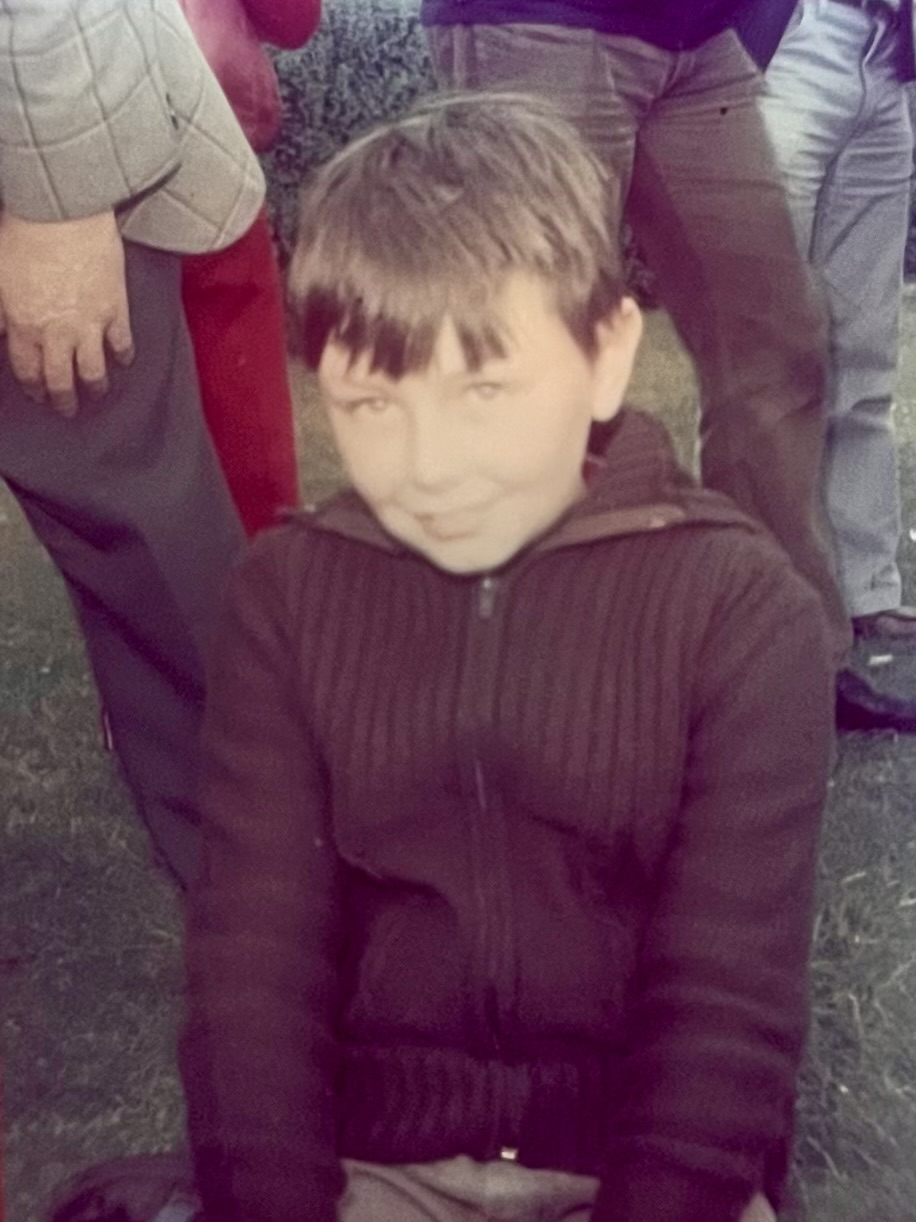
Interview with HDRF (Gareth Evans) – Part 1: “Everything You Always Wanted to Know About Upton, Wirral, But Were Afraid to Ask”
Trevor: Gareth, let’s start at the beginning. Where did your journey begin?
Gareth Evans: I was born in Birkenhead and raised in a fairly nondescript village called Upton on the Wirral. Not to be confused with the other Upton in Chester, which is quite nice and has a farm that sells ice cream. Ours was just far enough from anything remotely practical—no beaches, no ferries. Probably fine if you had a car, which we didn’t.
Trevor: Sounds like a place with… character?
Gareth: That’s one way to put it. It’s now surrounded by a bypass that chopped my childhood playing fields in half. It feels like they’re prepping to brick it up and turn it into a giant prison—Escape from New York, but with more cows.
Trevor: Did anything notable ever happen there?
Gareth: Well, The Wikipedia entry for Upton says that Everton legend Dixie Dean once delivered milk from there. Sadly no mention there of my uncle and his dog, Skippy, who once slipped down a grid and had to have his back legs bandaged. Skippy’s buried in a hollowed-out Radiogram in our old garden. Future archaeologists are in for a treat.
Trevor: That’s oddly poetic. Any famous neighbors?
Gareth: Down the road in Meols, you’ve got OMD. And Daniel Craig spent his early years in Greasby before Chester whisked him away. I stayed put until 1992, when I escaped to the metropolis of Ormskirk.
Trevor: What was it like growing up there?
Gareth: Upton was okay, but hard to explain. We’d say “It’s near Liverpool,” or if you were posh, “It’s near Chester.” But really, we were close to abandoned gas works and a giant Cadbury’s factory. Most of my family worked there—we lived on broken biscuits my uncle brought home.
🎧 Synths, Satriani, and Satanic Toyshops
Trevor: So when did music start creeping into your life?
Gareth: I’m an only child, so no older siblings to pass down cool records. I had to rely on school friends. That didn’t go well unless you pretended to like Joe Satriani but “he’s no Yngwie Malmstein,” while secretly wondering who either of them were.
Trevor: Did anyone help guide your musical taste?
Gareth: My mate Dave Andrews. He had a video recorder and was obsessed with John Carpenter. Hearing the theme to Assault on Precinct 13 for the first time was mind-blowing. We finally saw Carpenter live 30 years later. Dave’s releasing music soon—it’ll blow your socks off.
Trevor: What about the shortwave radio phase?
Gareth: Ah yes, the early ’80s. I got one from a jumble sale. It made great noises. My mate Frank and I made tapes of those sounds and brought them to school. He also introduced me to Zappa, Gong, Jeff Beck, and Steve Hillage. After midnight, UK radio was rubbish, so I tuned into Radio Sweden International. Their jingles—especially Ralph Lundsten’s—were terrifying. One sounded like a Satanic Toyshop. That sound still informs what I do.
🎹 The Synth Awakening
Trevor: When did you get your hands on your first instrument?
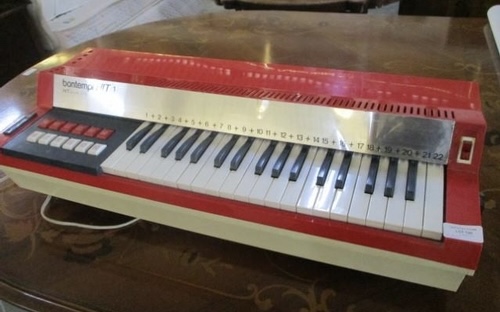
Gareth: In 1987, we were given a Bontempi electric organ. It was so loud we taped a pillow to it. I could play the BBC Newsnight theme pretty well.
Trevor: And Kraftwerk?
Gareth: The BBC aired a clip of them performing Autobahn on The Rock and Roll Years. I knew The Model and Tour de France, but seeing the Klingklang studio was a revelation. Didn’t see it again until the 1992 Kraftwerk convention in Blackpool—on a VHS tape, on the organiser’s mum’s telly.
Trevor: What was your first synth?
Gareth: That same year, we went to Blackpool and stumbled into a weird exhibition called Hologram World. It smelled like wee, but in a black room with red curtains was a Yamaha PSS-680. It had 61 keys, weird FM noises, and drum pads you’d accidentally trigger with your wrist. I was hooked. My dad bought one later.
Trevor: Did the synth collection grow?
Gareth: Oh yes. We added a Casio HT-700, which had MIDI and programmable basslines. Then came the Roland Juno 60 in ’89, a Yamaha string synth, and some Soviet models. My dad kept swapping them out. I nicknamed him Techno Pop.
📼 Tapes, Vinyl, and Pirate Radio
Trevor: What was your first stereo?
Gareth: Christmas ’87. A Panasonic SG D15-AL with a turntable and tape-to-tape. I started collecting LPs from Skeleton Records in Birkenhead—still trading and still ace. Kraftwerk, Tangerine Dream, you name it.
Trevor: And Vangelis?
Gareth: I heard Alpha on a pirate station called Radio Merseywaves. Found it on a 1982 “Greatest Hits” compilation—no Chariots of Fire, thankfully. Tracks like Pulstar, Dervish D, and Spiral were astonishing. The B-side of Chariots of Fire is an ambient masterpiece.
🎛️ The Wir Sind Die Roboter Years
Trevor: What was your setup like by the end of the ’80s?
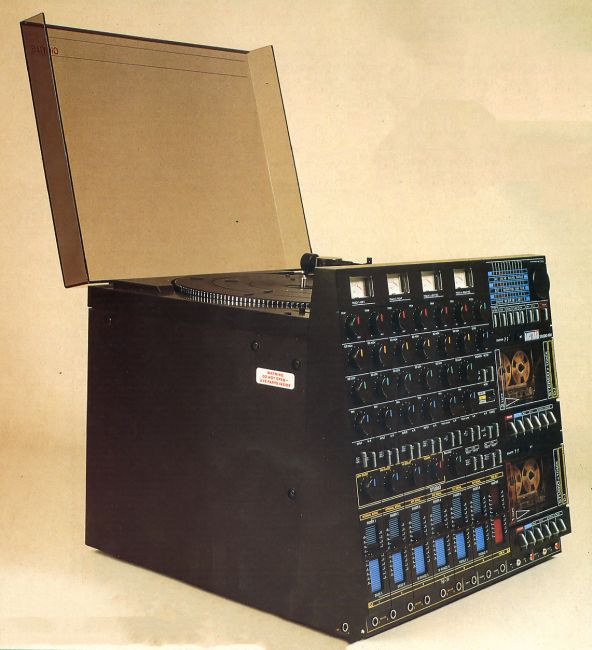
Gareth: In ’89, I got an Amstrad Studio 100—a radio, record deck, and 4-track recorder. I recorded all our synths: Juno-60, SH-101, TR-606, Boss Hand Clapper (which we hit with pencils), and the Mini-Korg 700—the Being Boiled synth. Lugging it home on the bus was hell, but worth every penny of the £69.
Trevor: Did you record your own music?
Gareth: Loads of long-form, slowly evolving tracks. My dad liked them but wouldn’t call it music. He labeled the tape “Gareth’s Creation.” When I left home in ’92, it went into a box in the loft—only resurfaced a few years ago.
Part 2: “The Wilderness Years (1992–2020)”
Trevor: Gareth, after your synth-heavy youth, what happened in the early ’90s?
Gareth Evans: Once the Amstrad packed in, I had no way to record anything. I was still tinkering—picked up a Roland D-110 and a Korg Poly 800—but they didn’t quite match the magic of my dad’s pedal-powered setups.
Trevor: So you shifted from creating to consuming?
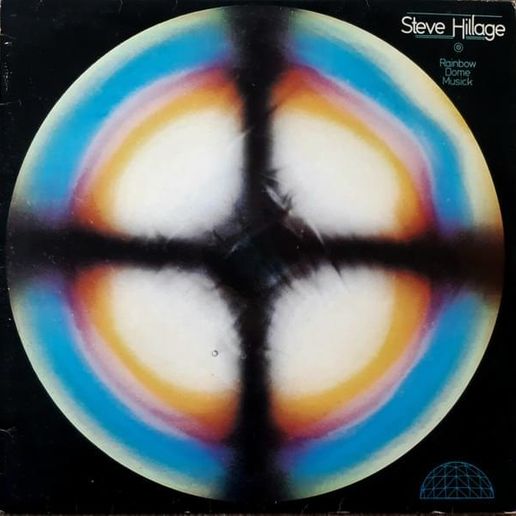
Gareth: Exactly. From ’92 to ’95, I was deep into listening. It was a golden age—The Orb, FSOL, Stereolab, Aphex Twin. You could lose yourself in tracks that stretched time. One standout was Rainbow Dome Musick by Steve Hillage. Though Miquette Giraudy deserves credit for those shimmering arps.
Trevor: That album seems to have left a mark.
Gareth: Huge mark. I’d been a fan since my mate Frank made me a tape in ’88 with Searching for the Spark. Those albums soundtracked my college years. There was even a surreal moment when my flatmate mistook my stereo for a toilet while Garden of Paradise played. He claimed the water sounds confused him. I made him clean it—never looked shinier!
Trevor: Did you ever meet Hillage and Giraudy?
Gareth: Yes! At last year’s Levitation Festival in Bedford. I helped lug their gear to the car. Miquette gave me a hug and said “wacky backy” in a French accent. That alone was worth the decades of fandom.
💾 MIDI Mayhem and the Gravis Gamble
Trevor: When did you get back into making music?
Gareth: In ’95, I got a PC and splurged on the Gravis Ultrasound soundcard. It was the best around, though barely supported. Still, it worked with Doom and Epic Pinball, so no complaints.
Trevor: Did you dive into MIDI again?
Gareth: I did. Started with basic MIDI via the game port, then settled on Cakewalk—first for DOS, then Windows. I made loads of short tracks, most under 40 seconds. I’ve got about 230 of them on a hard drive. Maybe I’ll stitch them together and call it Tubular Bells 2.5.
Trevor: Did you try recording more seriously?
Gareth: I got a small mixer and a Roland Hard Disk recorder. But backing up was a nightmare—unless you had a Jaz drive, which I didn’t. Roland’s menu-diving was brutal. So I recorded very little.
🎛️ Gear Galore and Adulting
Trevor: What kept the spark alive?
Gareth: In the late ’90s, Kenton Electronics released the Pro-DCB, which gave my Juno MIDI control without surgery. That reignited things. I picked up a Korg Electribe and a Nord Micro Modular. But then life happened—marriage, kids. The synths gathered dust.
Trevor: When did things pick up again?
Gareth: 2007. I got the Novation KS-Rack—four synth engines, assignable outputs. It was brilliant. I added Alesis modules like the Nanosynth, Nanobass, and Nanopiano. Got some Midiman thru boxes and a Midisport interface. It wasn’t spectacular, but it sounded good.
Trevor: Any favorite effects?
Gareth: The Zoom Studio 1204. Great delay and reverb, MIDI-controllable.
🎯 The Long Game
Trevor: So you set a goal?
Gareth: Yep. Fill up Bank 4 of the KS-Rack with all the sounds I’d ever need. Then actually record something. It took me 10 years. I hate presets. Even good ones. I want my sounds to be mine.
Trevor: Did you finally do it?
Gareth: I did. Got a used Mac, an audio interface, and started recording. I uploaded tracks to Soundcloud under the name Horrordwarf—a name I came up with in 2001 with no real plan. It stuck.
Interview with HDRF (Gareth Evans) – Part 3: “All Hail Lord Horrordwarf of Ormskirkshire (2020–2025)”
Trevor: Gareth, we’re now in 2020. What changed for you musically?
Gareth Evans: I started experimenting with hybrid tracks—software and hardware. And finally, the tunes were longer than 39 seconds! Some even had a beginning, middle, and—brace yourself—an end.
Trevor: What sparked this new wave of creativity?
Gareth: The Scarred for Life album in 2019. It introduced me to artists doing what I’d been dabbling in for decades—but they were releasing it. It was a wake-up call. Ghost Box had already planted the seed years earlier, but this was the push I needed.
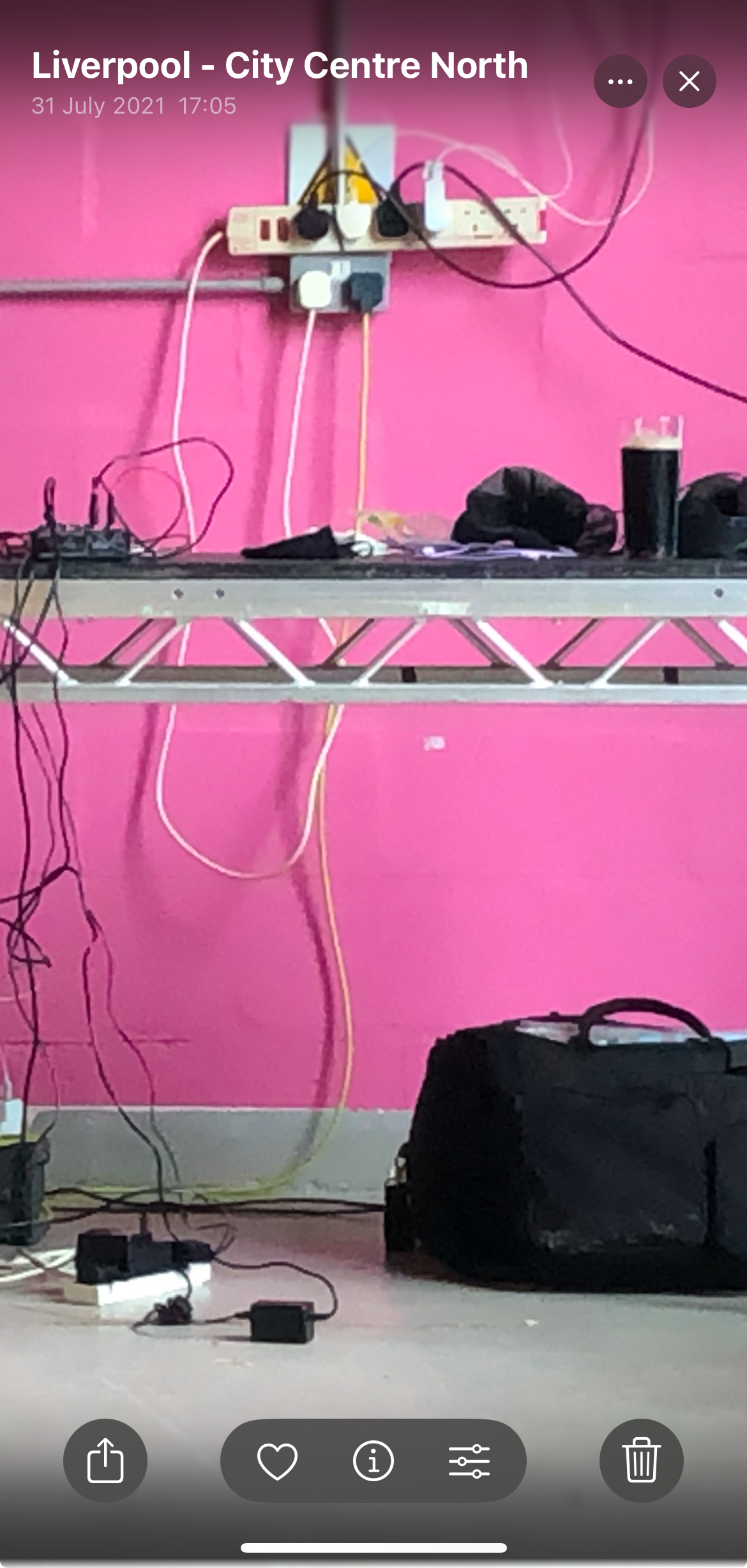
In July 2021 during a brief respite from lock down, I attended “A Day in the Sun” in Liverpool which was organised by Neil Grant (Lo Five). It was my first time meeting loads of amazing people who became great friends. Probably the final push I needed to get recording and releasing stuff.
🎯 Lansky’s Dream and the Vinyl Breakthrough
Trevor: When did you first release something officially?
Gareth: In early 2022, Castles in Space put out a call for tracks. I submitted one, even though my beloved Nanobass had just died. I found a bass sound in Logic, ran it through effects, and after a few mixes, played it to one of the kids. They liked it. So I sent it off.
Trevor: And then?
Gareth: A few weeks later, Colin from Castles in Space emailed me—it was going on a vinyl LP. I didn’t even have an artist name yet. The track was Lansky’s Dream, named after electronic music pioneer Paul Lansky. That moment changed everything.
🚀 From Soundcloud to Bandcamp
Trevor: How did HDRF come into being?
Gareth: I’d been using horrordwarf on Soundcloud, which I later shortened to HDRF. After Lansky’s Dream, I revisited old projects and released Spectral Voyager on August 24, 2022—JMJ’s birthday. It should’ve been longer, but the synth packed in. When I opened it, it was full of spiders.
Trevor: What gear were you using?
Gareth: I’d picked up an Arturia Beatstep, which was a game-changer. Less faffing, more recording. I sold the Roland D-110 and got the Boutique JU-06A. That synth featured heavily on Cibachrome Overture, part of my EP Industrial Moods. Eventually, I added enough to make it an LP.
🕯️ Tolstoy Imperial and the Loft Tapes
Trevor: You mentioned some old tapes?
Gareth: Yes! I pulled down a 30-minute space drone from the loft—Tolstoy Imperial, named after a vile spirit drink I consumed as a student. Surprisingly, it still sounded good. I added it to Industrial Moods and the LP was complete.
🌌 Spectralis, Tributes, and First Airplay
Trevor: What came next?
Gareth: I got a track onto the Music is Vast Vangelis tribute compilation. Then I recorded Spectralis using the JU-06A and Alesis Nano Piano. It was basic but solid. Released it with a video that premiered at the first Moolakii Club live event in 2024.
Trevor: And your first radio play?
Gareth: A young (Gareths words) “handsome” (Editors words) Irish chap in Sweden played Cibachrome Overture—on the same show as Jean-Michel Jarre! I’ll be forever grateful. Later, DJ Space Terrapin played Spectral Voyager and the full Tolstoy Imperial. Hearing your stuff on the radio is surreal.
🧠 Mechanoid and the Mercenary Connection
Trevor: Tell me about Mechanoid.
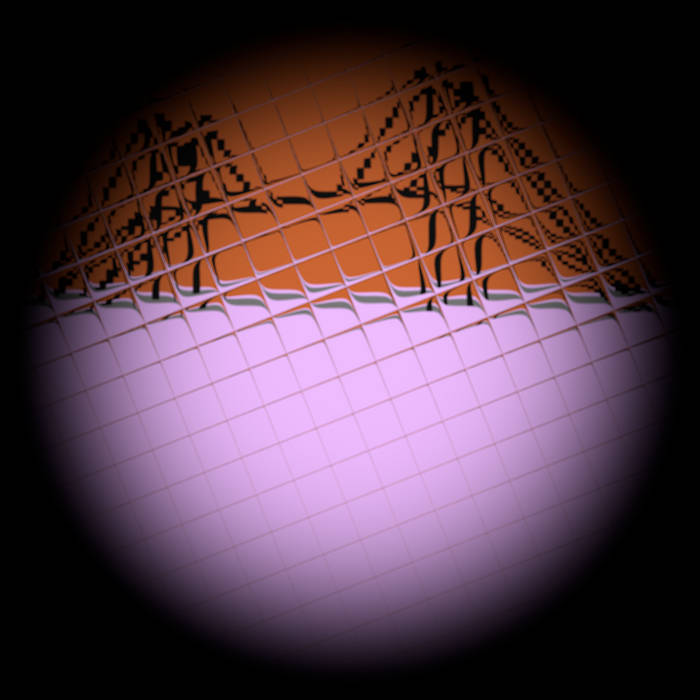
Gareth: It’s based on samples from the 1985 game Mercenary. All done on the JU-06A, Crave, and Circuit Tracks. It’s niche, but did well on Bandcamp. I even had my first CD release on the Wormhole Xmas 2023 compilation.
🌍 Live Sets, Collaborations, and Community
Trevor: You’ve been busy live too?
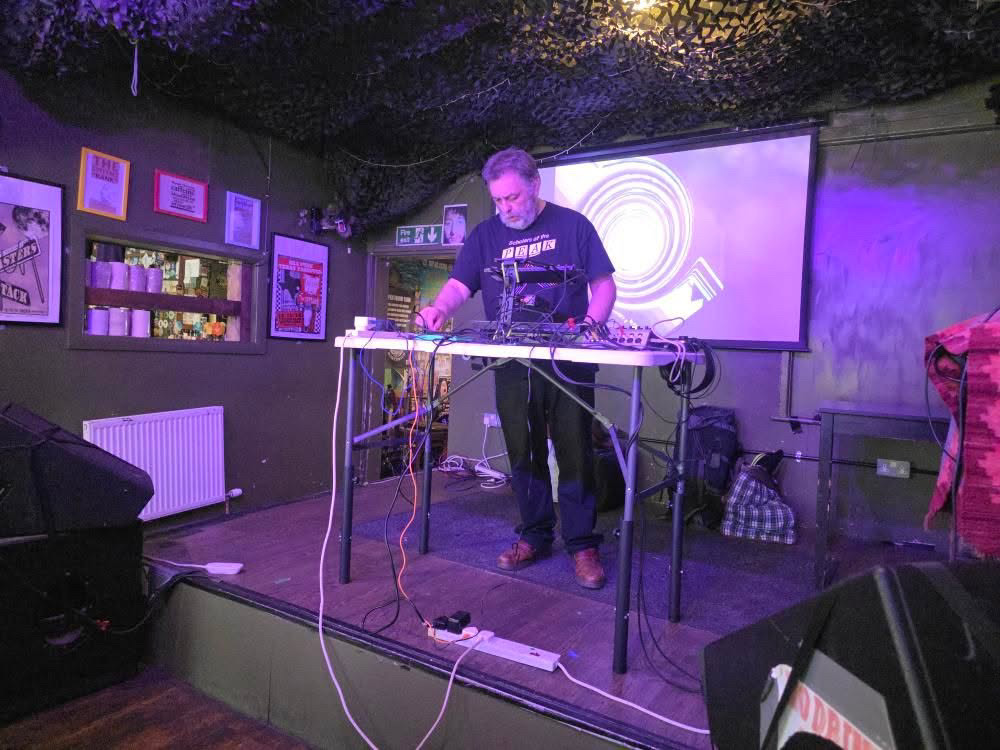
Gareth: Absolutely. In 2024, I played pads and drones on Dusty Circuits with Gavin Brick (The Metamorph). Then came my first HDRF live set at Hymns for Robots in Lancaster. Neil (Lo Five) and Kevin (Giants of Discovery) gave me the push. I remixed the recordings into the album Pandora.
Trevor: And Angel O?
Gareth: A tribute to Angelo Badalamenti. Released on the Moolakii Club Audio Interface Session Tapes compilation. I even did an interview for the accompanying mag. That same day, Gavin’s Tecton dropped, and we had the first Moolakii Club Live Event in Birkenhead. Incredible sets all around. I must give Jez at Moolakii massive cred for being so supportive.
🌊 Fathoms, Future Yard, and Beyond
Trevor: What’s next?
Gareth: I was honoured to be on Fathoms from Dustopian Frequencies in April 2024. RJ (Everyday Dust) has supported me since 2022. We’ll catch up in Whitby this November.
Trevor: More gigs?
Gareth: Loads. Synthlark in Liverpool, Kosmosis in Northwich—where I recorded my first proper live HDRF album. Even chatted with Martin Christie about hiding synths from spouses. Our conclusion? Add more shelves. And avoid bright orange.
🌀 Domains and Silent Film Soundtracks
Trevor: And in 2025?
Gareth: Released Domains and did my third live set, accompanying Field Lines Cartographer and Subtle Internal for experimental silent film soundtracks. Mark’s been fantastic—he even came to my first gig. I’ll see him and Gordon (Warrington Runcorn) at Whelans in Dublin this October.
Trevor: What’s next for HDRF?
Gareth: I’ve done 12 releases, featured on over a dozen labels, played six live shows with a seventh in Whitby at Switched On which takes place 7-9th of November. If anyone wants to come and say hi, I’m the middle aged synth enthusiast. You can’t miss me!
Still got a wad of old projects to finish. And yes—I still need a proper artist name.
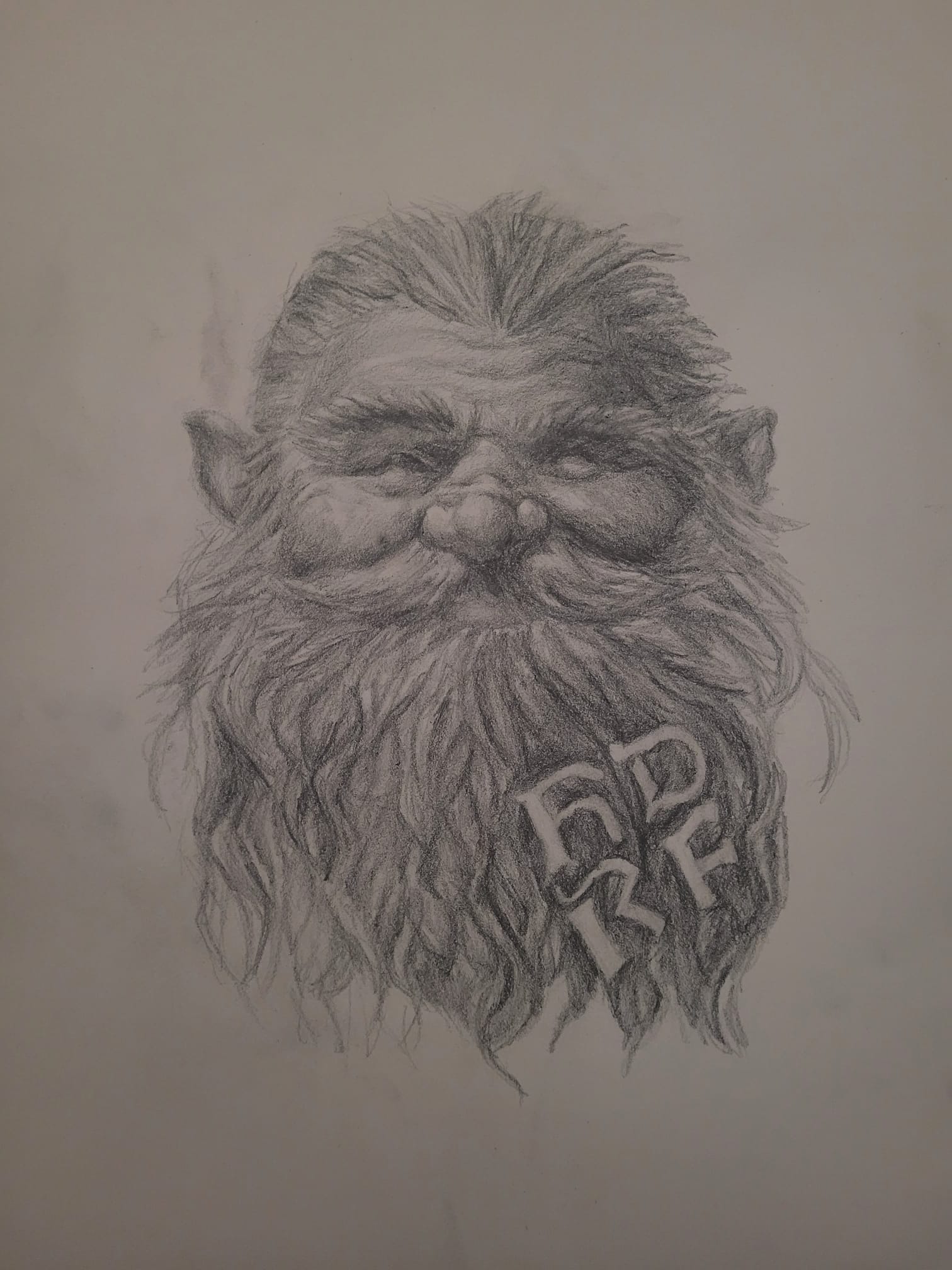
Trevor: Well that’s us all caught up. Cheers Gareth, an absolute blast having you on the blog. Finally is there any other names you’d like to drop?
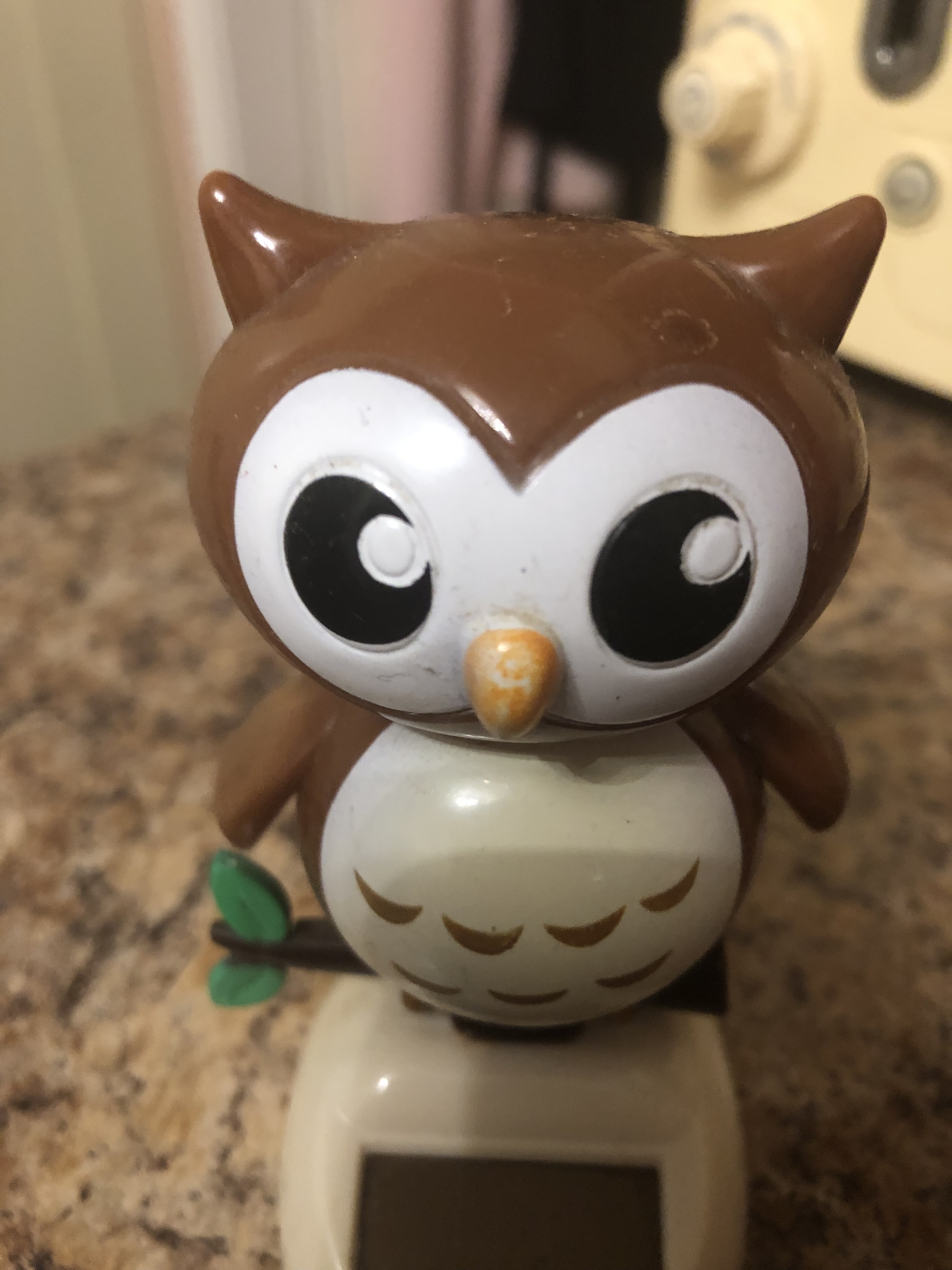
Gareth: Oh, yes, hello and thank you to the Bleep Bleep massive, Edwina, Gribbles, Dr Sausages, Drew and Keith. They’ve all been really supportive of me for the last couple of years. And finally to DJST for being supportive and is the only other person I know who has that plastic owl.
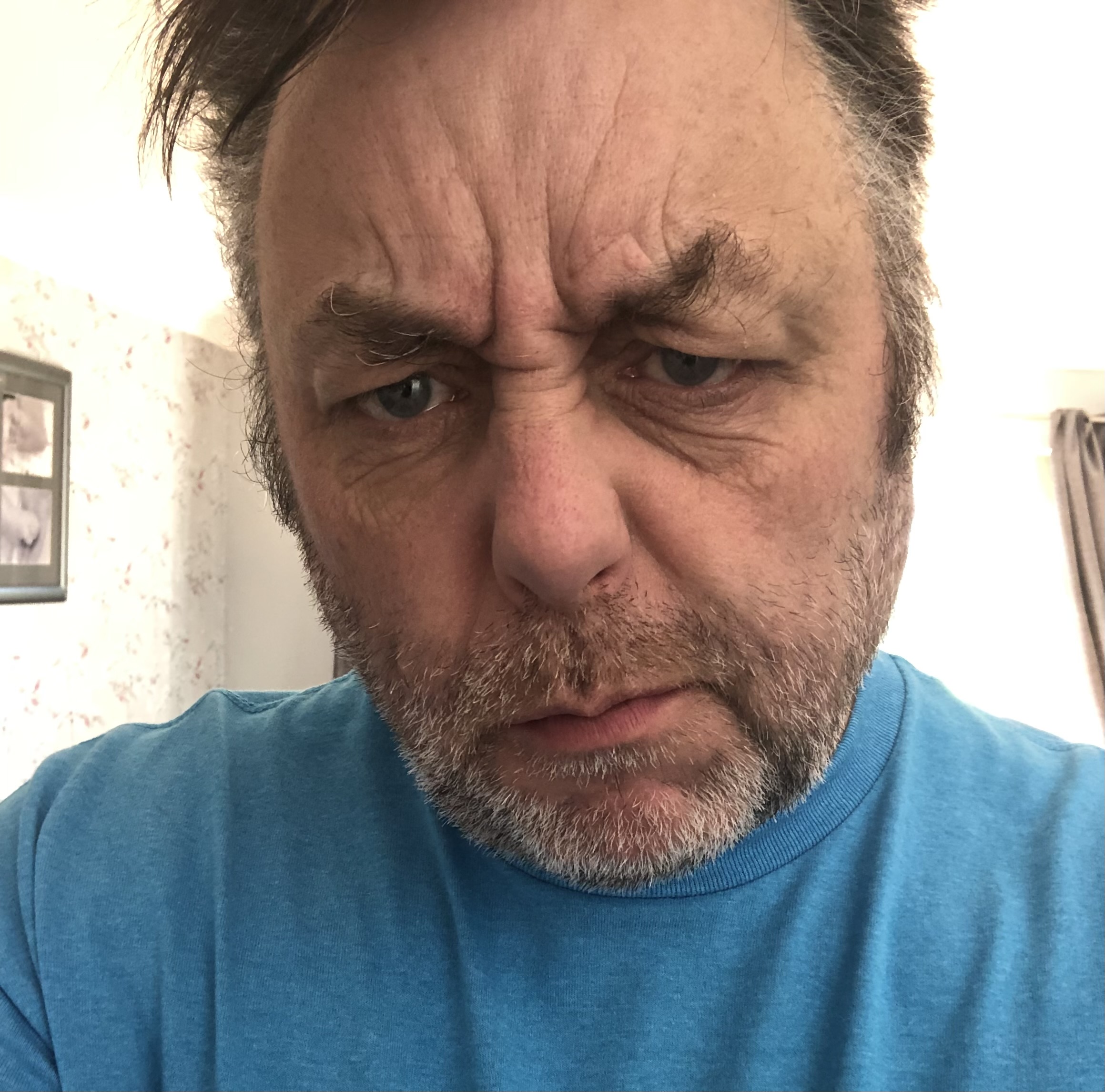
INVISIBLE WAVES – THE STORIES. EPISODE 1 Trevor “Trevlad” Lewis.

📄 Episode 01 the curator Trevor interviews himself to get the ball rolling.
In this episode of Invisible Waves, The Stories, we sit down with Trevor—a drummer, radio host, and sonic adventurer whose musical journey spans decades and genres. From his early days in Cork and Dublin surrounded by jazz records, to thrash metal obsessions, psychedelic discoveries, and progressive rock collaborations in Sweden, Trevor shares how music shaped his life, friendships, and imagination. Read on in for a rich, reflective conversation on the power of sound and the beauty of musical curiosity.
“Trevor’s Sonic Odyssey”
Trevor: Welcome to Invisible Waves, the stories, the blog where we dive deep into the musical journeys that shape lives. Today, we’re joined by Trevor, a musician, radio host, and sonic explorer whose path has taken him from Cork to Stockholm, with a few psychedelic detours along the way. Trevor, welcome to the show.
Trevor: Thanks, great to be here.
🎧 Segment 1: Roots in Cork & Dublin
Trevor: So tell us, Trevor—when did it all start musically for you?
Trevor: Well, there was always music in the house growing up—first in Cork, then Dublin. No musicians, just music. My dad especially was a huge jazz fan. It wasn’t really my thing as a teen, though. My first love was The Cure, I believe. That quickly morphed into metal—thrash metal, the heavier stuff. I was deep into it for a few years.
Trevor: That’s quite a leap—from The Cure to thrash metal. When did you start playing?
Trevor: Around 14. I started drumming and took classes with John Wadham, a legendary Irish jazz drummer. He had us writing music and playing along with greats like Steve Gadd, Buddy Rich, Mel Lewis… not the easiest pieces, but incredibly cool. That was my first real intro to odd time signatures.
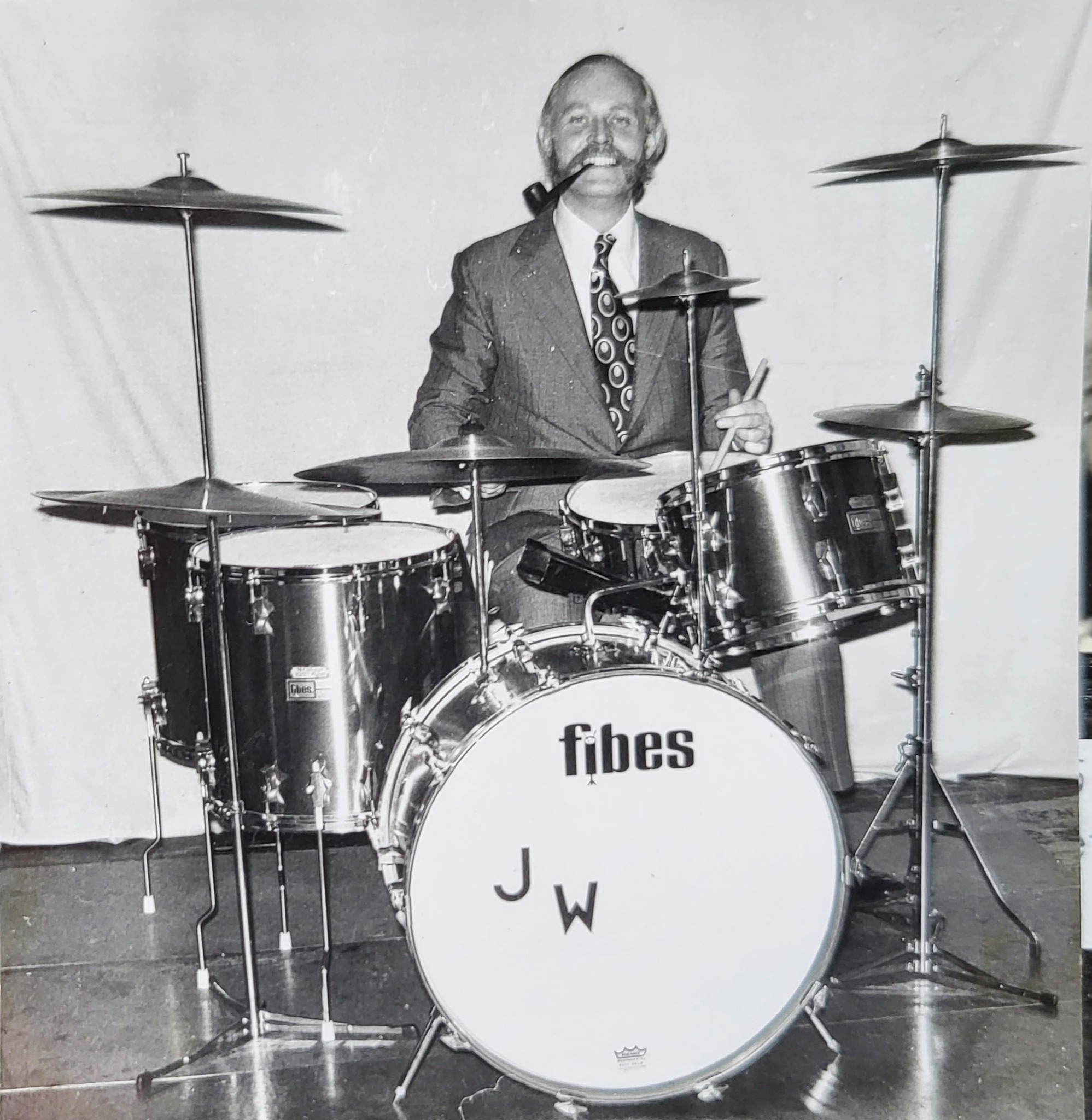
John Wadham.
🥁 Segment 2: Lessons & Legends
Trevor: You mentioned John Wadham—any memorable moments from those lessons?
Trevor: Oh, definitely. My lesson slot was right after Larry Mullen from U2. U2 were already huge, and I think Larry just wanted to improve. But John wasn’t impressed—he said Larry had no feeling for the instrument, just hit the drums. That stuck with me.
Trevor: Ouch. That’s a tough critique.
Trevor: Yeah, but it made me think about what it means to really feel music.
🍻 Segment 3: Jazz & Imagination
Trevor: So jazz eventually found its way into your heart?
Trevor: Slowly. I started going to jazz gigs at pub venues with my dad—mostly for the beer at first. But then it clicked. Jazz took me places in my imagination that other genres didn’t. No lyrics telling you what to feel—just sound and your own journey.
📼 Segment 4: Pirate Radio & Psychedelia
Trevor: When I was 15, I got my first radio cassette player. I’d tape late-night pirate stations that played everything—Gong, Zappa, Can. That whole vibe. It was like discovering secret worlds.
Trevor: That sounds magical.
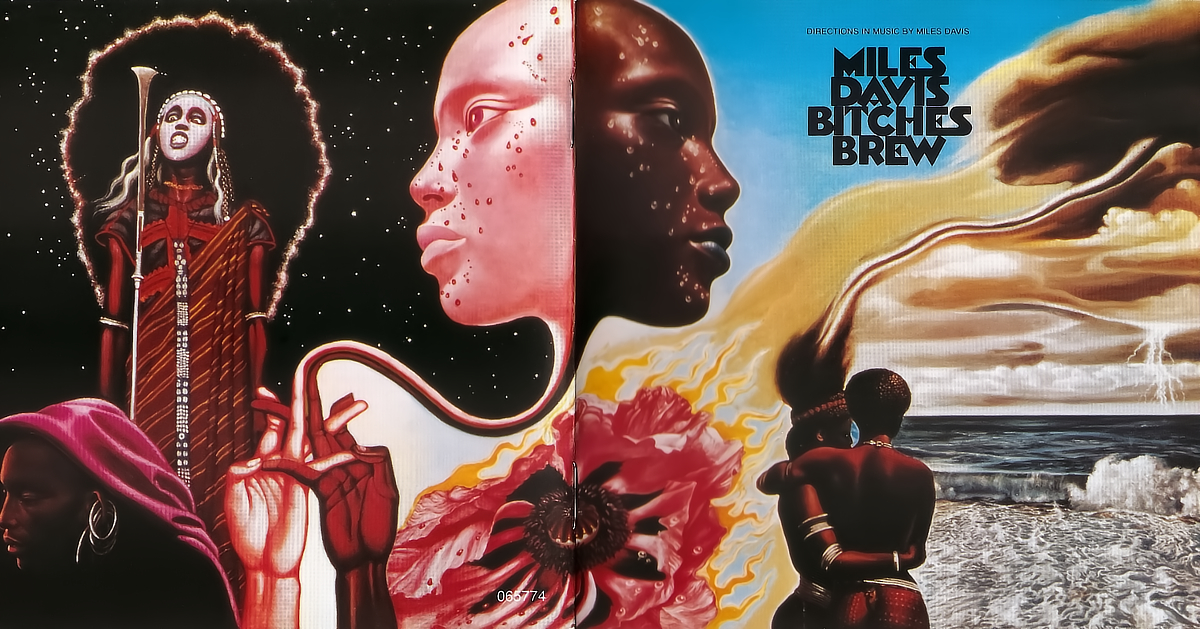
Trevor: It was. And then I bought Bitches Brew by Miles Davis. I just thought the cover looked trippy. Put on headphones… and I’ve never been the same. It was like a mushroom trip. Two bands playing interpretations of the same theme simultaneously. Layers upon layers. That album changed everything.
🎸 Segment 5: Sweden & Sonic Brotherhood
Trevor: So how did Sweden enter the picture?
Trevor: I met a girl from Sweden, moved to Gothenburg. She knew a guy into weird music—Daniel Högberg. He became my closest friend. We played in a progressive rock outfit for years. Daniel, aka Pocket Pavilions, introduced me to Yes, Gentle Giant, the Canterbury scene, Art in Opposition, Cardiacs…
Trevor: That’s a treasure trove of influence.
Trevor: We made mix tapes for each other for years. Getting a cassette from Daniel was like receiving a portal to another dimension.
📻 Segment 6: Stockholm & Radio Revival
Trevor: And now you’re in Stockholm?
Trevor: Yeah, moved here at 35. It’s a tough city to crack culturally. No Daniel here to guide me to the weird stuff. So I started radio shows—going back to my roots, playing whatever I wanted, trying to connect with artists and fans online. It’s slow, it’s hard. I’m not the greatest socialiser, but it’s something.
🎤 Closing Thoughts
Trevor: Trevor, your journey is a testament to the power of sound—how it shapes us, moves us, and connects us. Thanks for sharing your story.
Trevor: Thanks for having me. It’s been a pleasure.
Trevor: And to our readers—go dig out that old cassette player, spin Bitches Brew, and let yourself get lost. Until next time, keep listening.
📚 Show Notes
Guest: Trevor Lewis
Host: Trevor Lewis
🎧 Listen Now
Available on:
📢 Follow & Subscribe
Stay tuned for more sonic journeys and musical memoirs.
Follow me on Instagram/BlueSky/X/
Subscribe and leave a review—it helps others discover the show!
 Trevlad Sounds